

A Complete Guide to Professional Hair Restoration Instruments

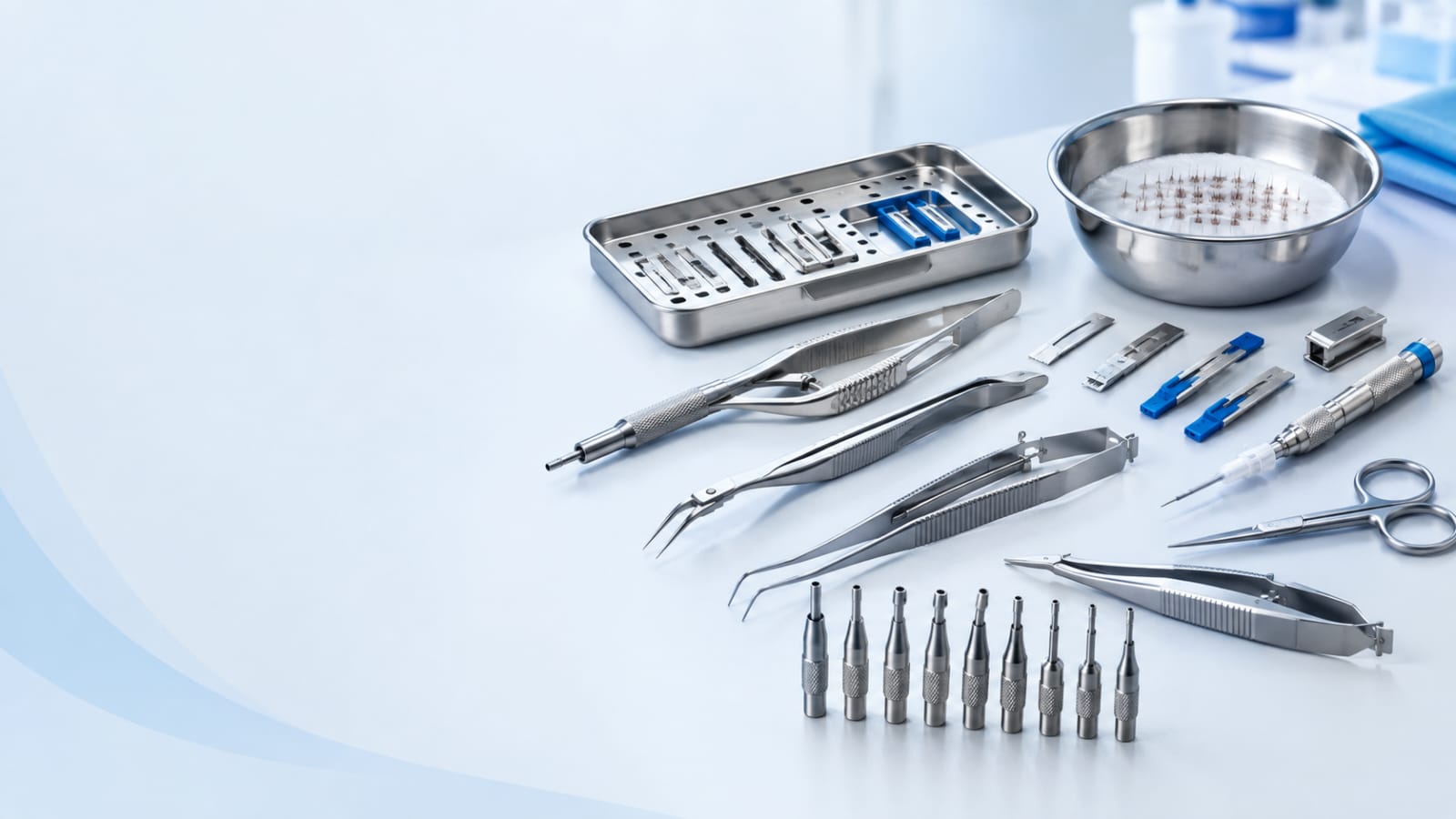
Hair restoration is a precision-focused procedure where the right instruments can support careful handling, accurate work, and an organized clinical workflow. From follicular unit extraction to graft handling and implantation, each stage requires instruments suited to its specific purpose.
For professional clinics, choosing hair restoration instruments is not simply about having a large collection of tools. The instruments should match the procedure, surgeon preference, graft-handling technique, and day-to-day clinical requirements.
What Are Hair Restoration Instruments?
Hair restoration instruments are specialized tools used during different stages of hair transplant procedures. They can support follicular unit extraction, graft handling, recipient-site preparation, implantation, and related clinical tasks.
Common examples include FUE punches, extracting forceps, graft handling forceps, hair implanting forceps, sapphire blades, graft dishes, and other supporting instruments. The exact selection can vary depending on whether a clinic performs FUE, DHI, or other hair restoration procedures.
Essential Instruments for Professional Hair Restoration
A professional clinic may require several types of instruments to maintain an organized and efficient procedure.
FUE Punches
FUE punches are used during follicular unit extraction to create a controlled pathway around individual follicular units. Punch diameter and tip length are important specifications because different cases may require different sizes.
Clinics should select punch sizes according to the procedure, graft characteristics, and surgeon’s preferred technique rather than relying on one size for every case.
Hair Extracting Forceps
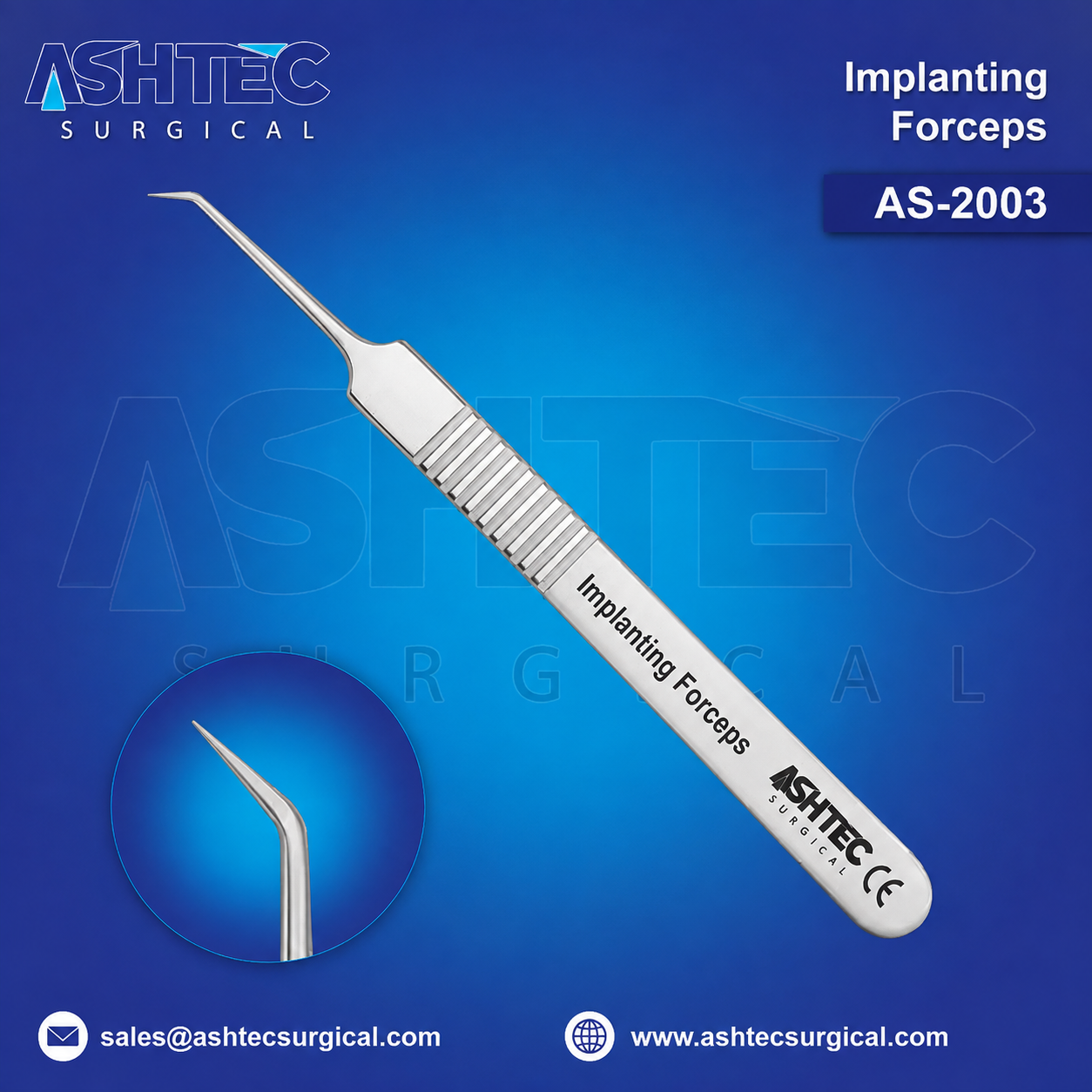
Extracting forceps are used to carefully remove and handle follicular grafts after extraction. Tip design, grip, alignment, and overall construction are important factors when selecting these instruments.
A properly designed forceps can support controlled graft handling and help maintain an organized extraction workflow.
Graft Handling Instruments
After extraction, grafts need to be handled carefully before implantation. Graft handling instruments may include specialized forceps, graft dishes, graft bowls, and related accessories.
These tools can help the clinical team organize grafts and maintain a practical workflow during the procedure.
Hair Implanting Forceps
Hair implanting forceps are used for controlled graft placement during implantation procedures. The appropriate instrument depends on the implantation method and the surgeon’s preferred technique.
For DHI procedures, clinics may use specialized implantation instruments designed to support controlled placement of individual grafts.
Sapphire Blades
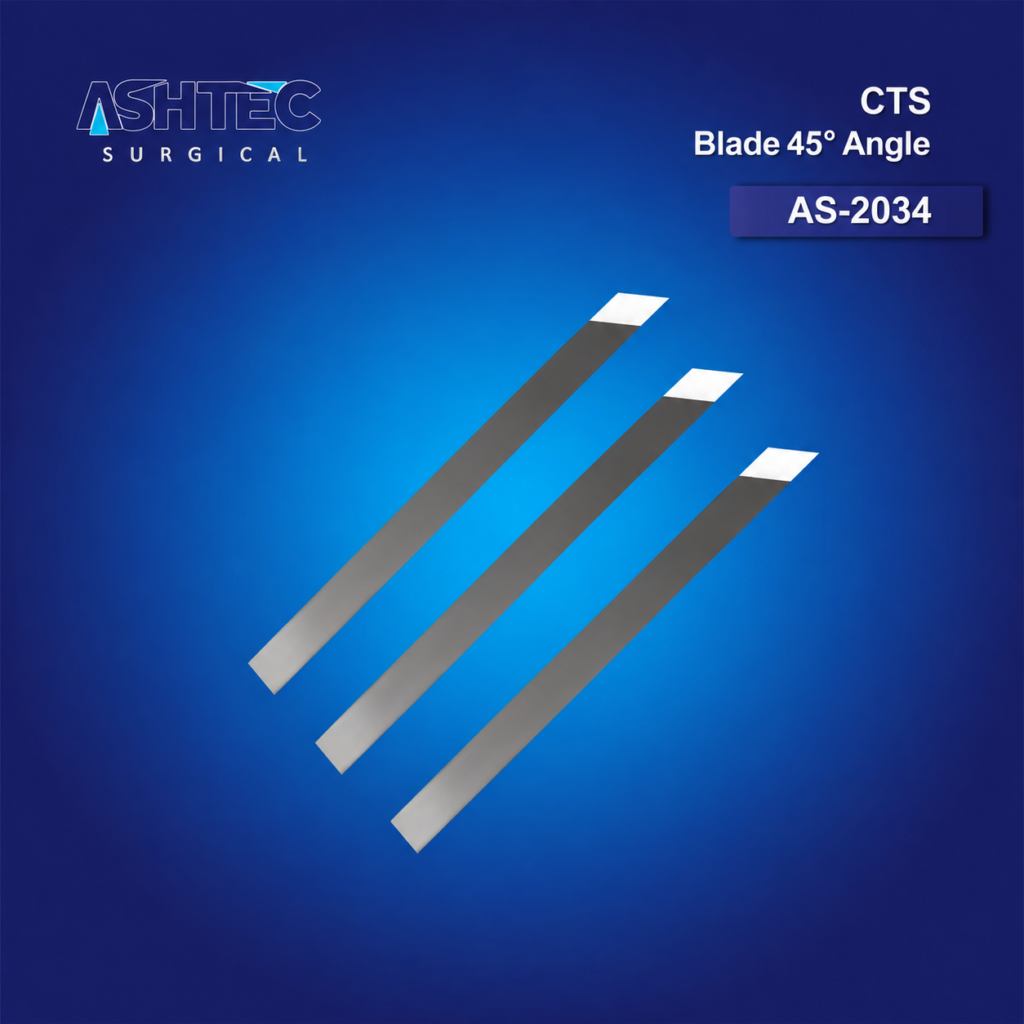
Sapphire blades are used for creating recipient sites in hair transplant procedures. They are available in different sizes to meet varying procedural requirements.
When selecting blades, clinics should consider the required diameter, compatibility, and the surgeon’s preferred site-creation technique.
How to Choose the Right Hair Restoration Instruments
Choosing instruments should begin with the actual requirements of the clinic. Instead of selecting tools based only on appearance or price, professional buyers should review several practical factors.
Consider Instrument Specifications
Important specifications may include tip size, diameter, length, shape, material, and intended application. Small differences in dimensions can affect how an instrument is used during a procedure.
Check Material and Construction
Professional surgical instruments should have suitable materials and careful construction. Smooth surfaces, precise tips, reliable alignment, and appropriate finishing are useful factors to review before purchasing.
Match Instruments to the Procedure
FUE and DHI procedures can require different instrument setups. Clinics should build their instrument selection around the procedures performed by their medical team and the techniques they use.
Review Cleaning and Sterilization Requirements
Reusable instruments require appropriate cleaning, disinfection, sterilization, inspection, and storage according to the clinic’s established protocols and the manufacturer’s instructions.
Instrument design should therefore be considered alongside the clinic’s processing workflow.
Why Instrument Quality Matters
Hair restoration involves delicate grafts and detailed surgical work. Instruments with suitable dimensions and consistent construction can support a more organized working environment.
Clinics should also inspect instruments regularly. Tips, alignment, surface condition, movement, and overall functionality should be checked before use. Damaged or unsuitable instruments should be removed from service according to the clinic’s procedures.
Building a Practical Hair Transplant Instrument Set
A clinic does not necessarily need every available instrument. A practical setup should include the tools required for its specific procedures and workflow.
A typical hair transplant instrument selection may include FUE punches, extracting forceps, graft handling tools, implanting forceps, sapphire blades, graft dishes, graft bowls, and other supporting accessories.
Organizing instruments according to procedure can also make preparation and post-procedure processing more efficient.
Buying Hair Restoration Instruments from a Reliable Manufacturer
When purchasing professional instruments, clinics and distributors should look beyond product appearance. Useful factors to evaluate include manufacturing experience, product specifications, material information, customization options, quality inspection, packaging, and communication before and after an order.
For larger orders, buyers may also want to confirm available sizes, product consistency, customization requirements, delivery timelines, and inspection procedures before placing an order.
ASHTEC Surgical supplies a range of FUE and DHI instruments, hair transplant instruments, and surgical instruments for clinics, medical professionals, and distributors. Buyers can explore the available hair transplant instruments or contact ASHTEC Surgical for product and order information.
Frequently Asked Questions
What are the most important hair restoration instruments for a clinic?
Commonly used instruments include FUE punches, extracting forceps, graft handling instruments, implanting forceps, and sapphire blades. The exact selection depends on the procedure and surgeon’s technique.
What instruments are used for FUE hair transplantation?
FUE procedures commonly use FUE punches, extracting forceps, graft handling tools, and supporting instruments. Different punch sizes may be selected according to the procedure and clinical requirements.
Are FUE and DHI instruments the same?
Not always. FUE and DHI involve different procedural steps, so the required instruments can vary. DHI procedures may require specialized implantation instruments for controlled graft placement.
How should hair restoration instruments be selected?
Clinics should consider instrument specifications, material, construction, intended application, procedure requirements, and the clinic’s cleaning and sterilization workflow.
Why is instrument quality important in hair restoration?
Suitable, well-maintained instruments can support careful graft handling and help maintain an organized clinical workflow throughout the procedure.
Final Thoughts
Choosing suitable hair restoration instruments helps clinics maintain an organized workflow. FUE punches, extracting forceps, graft handling tools, implanting forceps, and sapphire blades each have specific applications, so selection should be based on the clinic’s procedures and practical requirements.