

Essential Tools Every Professional Hair Restoration Clinic Needs

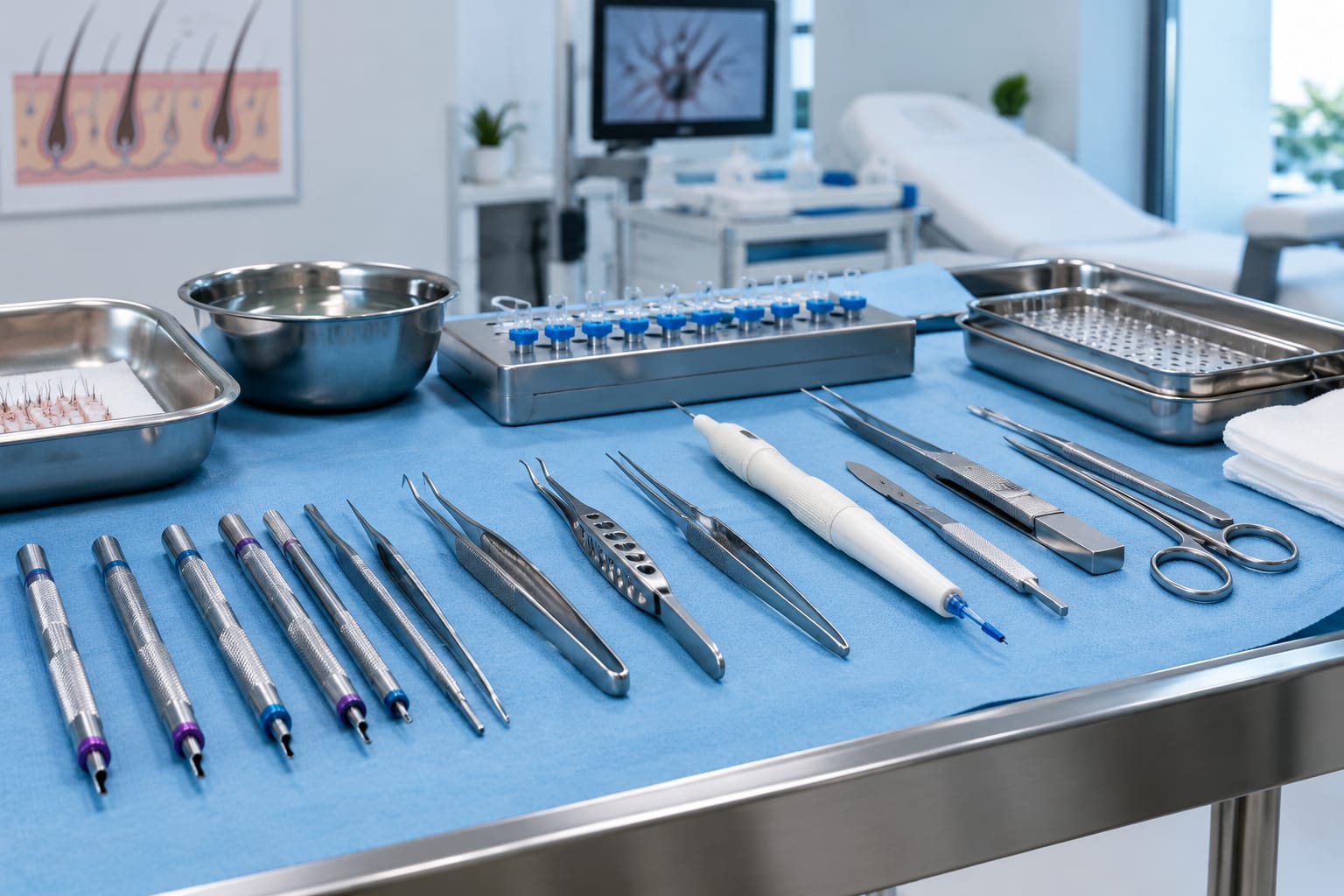
Hair restoration is a detail-focused procedure where precision and proper instrument selection matter at every stage. From follicular unit extraction and graft handling to implantation, having suitable hair transplant instruments can help a professional clinic maintain an organized workflow.
Whether a clinic performs FUE, DHI, or both, the exact instrument setup depends on the procedure, surgeon’s technique, and daily workflow. Choosing instruments based on their specifications and intended application is more practical than selecting them only by appearance or price.
This guide covers the essential tools commonly used in professional hair restoration clinics and the key factors to consider when building an instrument setup.
Why Are the Right Hair Restoration Tools Important?
Hair restoration involves careful handling of follicular grafts throughout different stages of the procedure. Instruments should therefore be selected according to their design, dimensions, material, intended use, and compatibility.
A properly planned instrument setup can help the clinical team keep extraction, graft handling, implantation, and supporting tasks organized. Professional buyers should review product specifications and supplier information before purchasing.
1. FUE Punches
FUE punches are important instruments used during follicular unit extraction. They are available in different diameters, tip designs, lengths, and configurations to suit different professional requirements.
When choosing an FUE punch, consider:
- Punch diameter
- Tip design
- Working length
- Material and finish
- Equipment compatibility
- Intended application
The appropriate specification depends on the procedure and the professional using the instrument. For this reason, clinics may keep different punch sizes available for their workflow.
Internal link: FUE Punches
2. Extraction Forceps
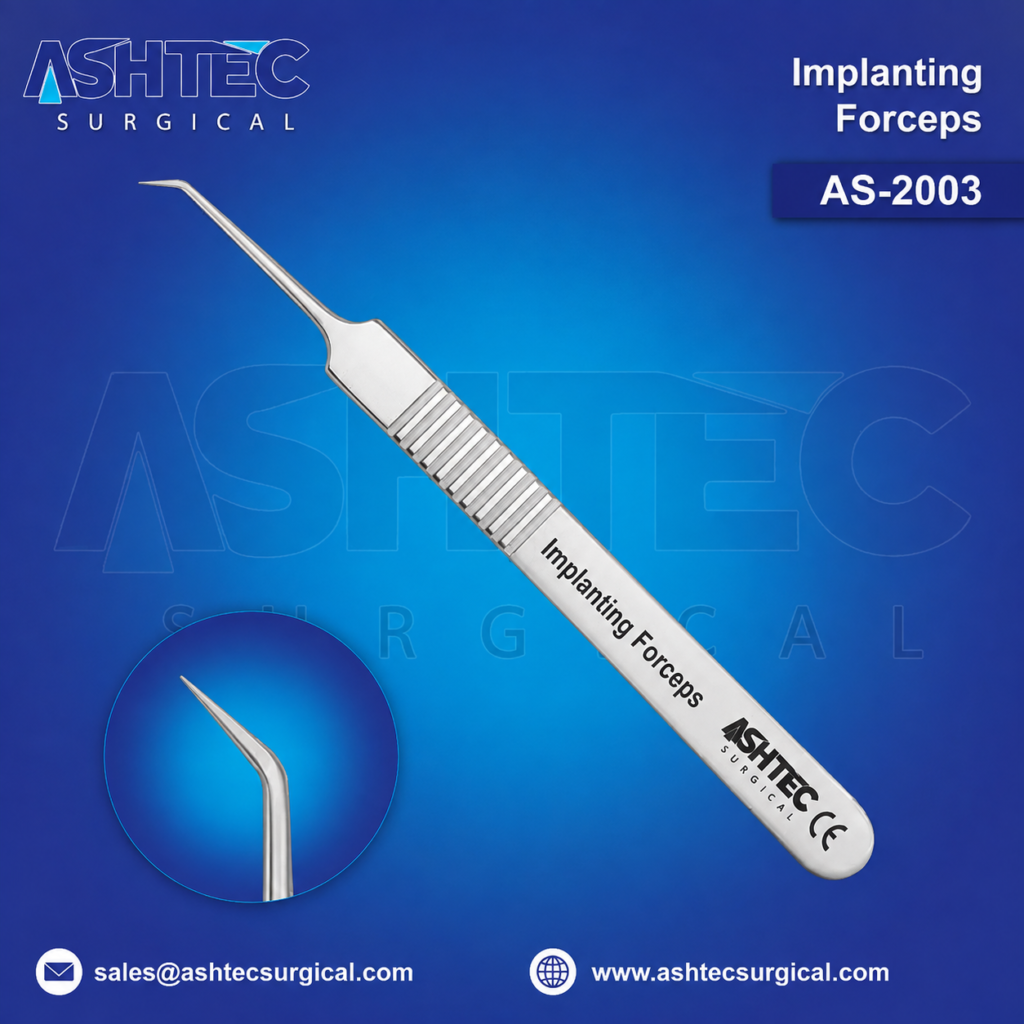
Extraction forceps are used during graft extraction and handling workflows. They can be available in straight, angled, or curved configurations with different tip designs.
When comparing forceps, check the tip shape, alignment, grip, dimensions, and overall construction. The design should match the intended application and the user’s preferred working method.
Fine tips should also be inspected regularly for damage or wear.
3. Graft Handling Forceps
Once grafts have been extracted, they need to be handled and organized carefully. Graft handling forceps are designed for this stage of the hair restoration workflow.
Tip shape, size, grip, and construction are useful factors to consider when selecting these instruments. Clinics should choose a design that fits their existing workflow.
Graft bowls and trays can also help keep extracted grafts organized during the procedure.
Hair Transplant Graft Handling Instruments
4. DHI Implanter Pens
DHI procedures commonly use specialized implantation instruments such as DHI implanter pens. Their design and configuration can vary depending on the model and intended application.
Before purchasing a DHI implanter, verify:
- Implanter model
- Needle size
- Dimensions
- Compatibility
- Intended application
- Replacement component availability
Different implanters are not necessarily interchangeable, so accurate product identification is important.
5. Implanting and Placing Forceps
Implanting and placing forceps are used within graft placement workflows and may be available in different configurations.
Clinics should consider the working tip, dimensions, material, grip, and intended application before selecting a particular design. The instrument should complement the technique and workflow followed by the professional team.
6. Blades and Blade Holders
Blades and blade holders are another part of a professional hair restoration instrument setup. Different blade sizes and holder configurations may be selected according to the procedure and professional requirements.
Before ordering, check the exact blade specification and make sure the blade and holder are compare
7. Graft Trays, Bowls and Supporting Accessories

A complete hair restoration setup includes more than extraction and implantation tools. Graft trays, bowls, instrument trays, mesh baskets, and other supporting accessories can help organize the working area.
The size and design of trays and bowls should be selected according to the clinic’s workflow and graft-handling requirements.
Keeping these accessories organized can also make instrument preparation and inventory management easier.
8. Magnification and Precision Accessories
Some may use optical glasses, magnification equipment, or other precision accessories.
The appropriate equipment depends on the user’s working environment and professional requirements. Before purchasing, clinics should check product specifications and intended applications.
How to Choose Hair Transplant Instruments for Your Clinic
Before purchasing instruments, create a list based on the procedures performed at the clinic. Consider these points:
- Identify the instruments required for each workflow stage.
- Check exact dimensions and specifications.
- Confirm the intended application.
- Compare different designs where necessary.
- Review material and surface finish.
- Verify compatibility with existing equipment.
- Check supplier information and documentation.
- Follow manufacturer instructions for cleaning and sterilization.
A specification-based approach can make procurement more organized and help maintain a consistent instrument inventory.
Quality and Maintenance Matter
Even precision instruments require proper care. Fine tips and delicate components can be affected by improper handling, cleaning, processing, or storage.
Clinics should follow the manufacturer’s instructions and their established infection-prevention procedures. Processing requirements can differ between instruments, so clinics should verify the appropriate method for each product.
Build a Complete Hair Restoration Instrument Setup
A professional clinic does not necessarily need every available instrument. The ideal setup depends on the procedures performed, surgeon preferences, case workflow, and specific clinical requirements.
A typical setup may include FUE punches, extraction forceps, graft handling instruments, DHI implanters, placing forceps, blades, blade holders, graft trays, bowls, and supporting accessories.
At Ashtec Surgical World, clinics, distributors, and professional buyers can explore hair transplant instruments for FUE and DHI workflows, including punches, forceps, DHI implanters, blades, graft trays, and related instruments.
Conclusion
The right tools are an important part of an organized hair restoration workflow. From FUE punches and extraction forceps to DHI implanters, graft handling instruments, and supporting accessories, each product should be selected according to its intended application and specifications.
Rather than choosing instruments based only on price or appearance, professional clinics should consider design, dimensions, material, compatibility, supplier information, and maintenance requirements.
A well-planned instrument setup can help clinics maintain an organized and professional workflow across different stages of hair restoration.
Frequently Asked Questions
1. What are the most important tools for a hair restoration clinic?
FUE punches, extraction forceps, graft handling instruments, implantation tools, blades, and supporting trays are commonly used.
2. What are FUE punches used for?
FUE punches are specialized instruments used during follicular unit extraction workflows.
3. What is a DHI implanter?
A DHI implanter is a specialized instrument used during graft implantation in DHI procedures.
4. How should clinics choose hair transplant instruments?
Clinics should compare the design, dimensions, material, intended use, compatibility, and supplier specifications.
5. Do hair transplant instruments require regular maintenance?
Yes, instruments should be inspected, cleaned, processed, and stored according to manufacturer instructions and applicable clinic protocols.
6. Where can clinics find professional hair transplant instruments?
Clinics and distributors can explore the professional hair transplant instrument range available from Ashtec Surgical World.