

What to Look for When Buying Professional Hair Restoration Tools

Choosing professional hair restoration tools is an important decision for clinics, surgeons, distributors, and medical professionals. The right instruments should match the procedure, clinical workflow, and handling preferences of the team.
With many FUE and DHI instruments available in different sizes and designs, buyers should look beyond appearance or price. Product specifications, material, precision, durability, supplier reliability, and maintenance requirements all deserve attention before placing an order.
1. Start With Your Clinical Requirements
Before buying hair restoration tools, identify the procedures performed in your clinic. FUE and DHI workflows may require different instruments, particularly during the implantation stage.
A typical FUE setup may include punches, extracting forceps, implanting forceps, blades, and graft-handling equipment. DHI procedures may require suitable implanter tools in addition to extraction instruments.
Creating an instrument list before purchasing can help prevent unnecessary products and make it easier to maintain a consistent setup.
2. Check Instrument Specifications
Specifications are one of the most important things to review before ordering professional hair transplant instruments.
For FUE punches, buyers may need to compare details such as diameter, tip length, design, and intended application. Forceps should also be reviewed according to their tip shape, size, grip, and purpose.
Do not assume that instruments with similar appearances will perform in the same way. Always confirm the manufacturer’s specifications and intended use.
3. Consider Material and Construction
The material used to manufacture an instrument can affect its durability, handling, and maintenance requirements.
Professional hair restoration instruments are commonly produced from materials selected for clinical applications, including stainless steel and other specialized materials. Buyers should ask the supplier about the material, surface finish, construction quality, and maintenance requirements.
A well-made instrument should also have consistent construction rather than noticeable differences between individual pieces.
4. Pay Attention to Precision
Hair restoration involves handling small follicular units and working in areas where controlled instrument movement is important.
FUE punches, extracting forceps, implanting forceps, and other precision tools should therefore be selected according to the professional’s technique and workflow.
For buyers, it can be useful to request product samples before making a larger purchase. Testing the instruments can provide practical information about grip, balance, tip alignment, and overall handling.
5. Compare Different Sizes Carefully
One instrument size does not necessarily suit every procedure or graft type. Clinics may require multiple sizes depending on their case mix and professional preferences.
For example, FUE punches are available in different diameters, while DHI implantation tools may also come in different configurations.
Instead of purchasing a large selection without a clear requirement, determine which sizes are regularly used by the clinical team and build the inventory around those needs.
6. Evaluate Graft Handling Tools

Graft handling is another area buyers should consider when building a professional instrument set.
Extracting forceps, implanting forceps, graft bowls, graft dishes, and trays can help organize different stages of the procedure. These instruments should be easy to handle and appropriate for the intended clinical application.
A well-organized instrument set can also make it easier for the clinical team to maintain a consistent workflow.
7. Ask About Cleaning and Sterilization
Before purchasing reusable instruments, confirm how they should be cleaned, processed, sterilized, and stored.
Different instruments can have different construction and processing requirements. Clinics should follow the manufacturer’s instructions together with their established infection-prevention and instrument-processing protocols.
Buyers should also ask whether the supplier provides appropriate product and packaging information for the intended market.
8. Check Supplier Reliability
The supplier is just as important as the instrument itself. A reliable manufacturer should be able to provide clear product specifications and consistent communication.
Before placing an order, consider checking:
- Product specifications
- Available sizes and configurations
- Material information
- Sample availability
- Manufacturing experience
- Order quantities
- Packaging details
- Shipping and delivery arrangements
- Product documentation
For regular procurement, consistent availability can be particularly useful for clinics and distributors.
9. Do Not Choose Only by Price
Price is naturally an important purchasing factor, but it should not be the only consideration.
A lower-priced instrument may not provide the specifications, consistency, or handling characteristics required by a professional clinical workflow. On the other hand, a higher price does not automatically guarantee that an instrument is suitable.
Compare products based on specifications, intended use, quality, supplier support, and long-term purchasing requirements.
10. Consider Samples Before Bulk Orders
For clinics purchasing larger quantities, requesting samples can be a practical step.
The clinical team can examine the instruments for:
- Tip alignment
- Grip and balance
- Finish quality
- Ease of handling
- Size accuracy
- Overall construction
Testing products before standardizing an instrument set can help buyers make purchasing decisions based on actual handling rather than product photographs alone.
Choosing the Right Hair Restoration Tools
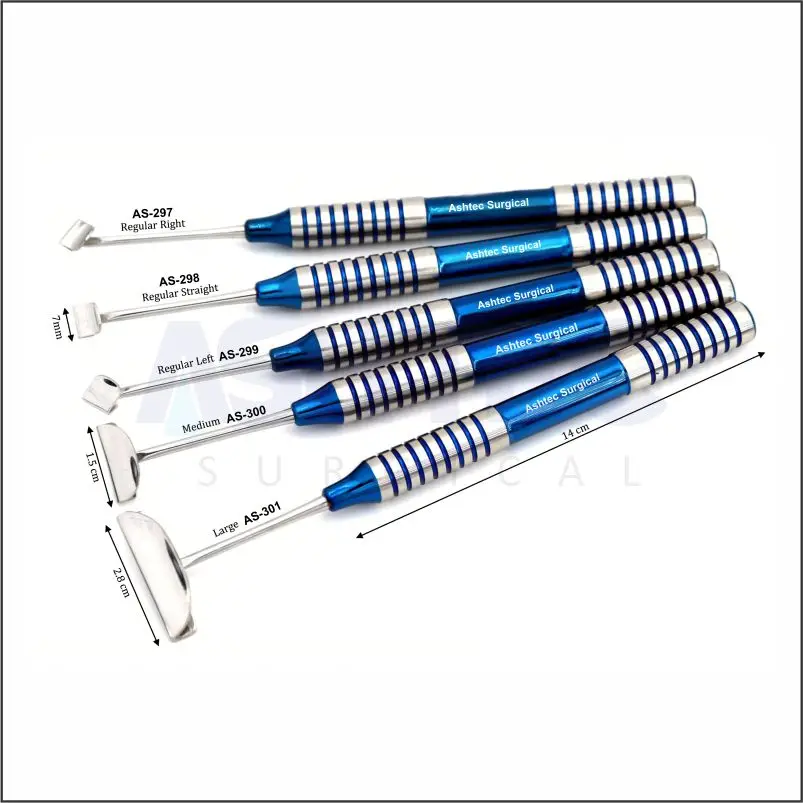
Professional hair restoration tools should be selected according to the clinic’s procedures, instrument specifications, and practical workflow. FUE punches, extracting forceps, implanting forceps, DHI tools, graft bowls, and trays each have different roles.
ASHTEC Surgical provides a range of hair transplant instruments for professional FUE and DHI applications. Buyers can also learn more about the company through the ASHTEC Surgical About Us page.
Final Thoughts
Buying professional hair restoration tools requires more than comparing prices or choosing the most attractive-looking instruments. Clinics should review specifications, materials, sizes, precision, handling, processing requirements, and supplier reliability before placing an order.
A carefully selected instrument set can help create a more organized clinical workflow and make future procurement easier. For larger purchases, requesting samples and confirming specifications with the manufacturer can be a useful part of the buying process.
Frequently Asked Questions
1. What should I check before buying hair restoration tools?
Check the instrument’s intended use, specifications, material, size, design, handling characteristics, maintenance requirements, and supplier information.
2. Should clinics buy FUE instruments in different sizes?
The required sizes depend on the clinic’s procedures, case mix, and professional preferences. Buyers should determine their regular requirements before ordering.
3. Are samples useful before a bulk order?
Yes. Samples allow the clinical team to evaluate handling, balance, tip design, construction, and other practical characteristics before making a larger purchase.
4. What instruments are commonly needed for FUE?
Common FUE instruments can include punches, extracting forceps, implanting or placement forceps, blades, and graft-handling equipment.
5. What should I ask a hair transplant instrument supplier?
Ask about specifications, materials, available sizes, samples, manufacturing information, documentation, packaging, order quantities, and delivery arrangements.
6. How should reusable hair restoration instruments be processed?
Clinics should follow the manufacturer’s processing instructions together with their validated cleaning, sterilization, and infection-control procedures.